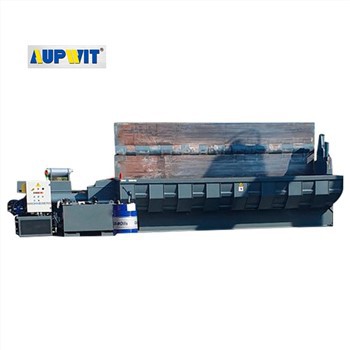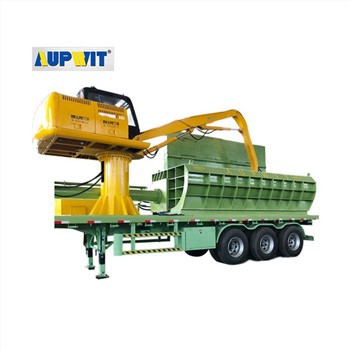

1. Match the Model with Material & Output
- Efficiency starts from correct model selection.
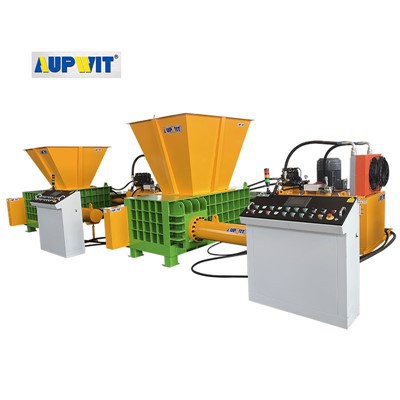
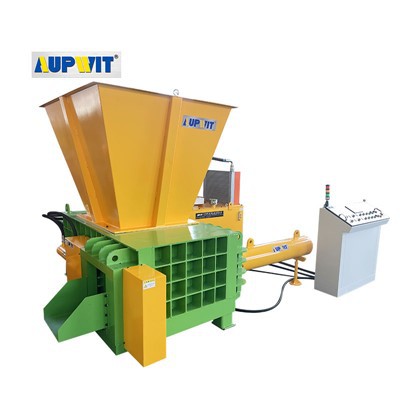
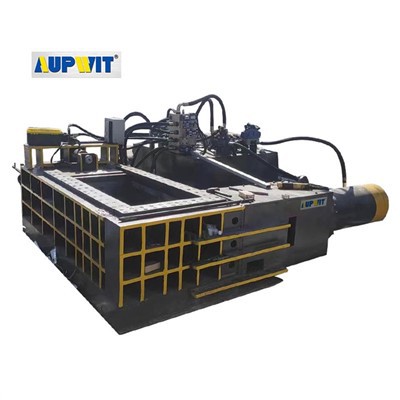
- Y83 covers different nominal forces and briquette sizes.
- Match pressure, mold size, and hourly capacity with the actual chip type.
- Cast iron, steel, copper, and aluminum chips have different density and feeding behavior, so the same machine may perform differently.
2. Optimize Feeding & Discharge Flow
- Continuous and uniform feeding is one of the most effective ways to improve output.
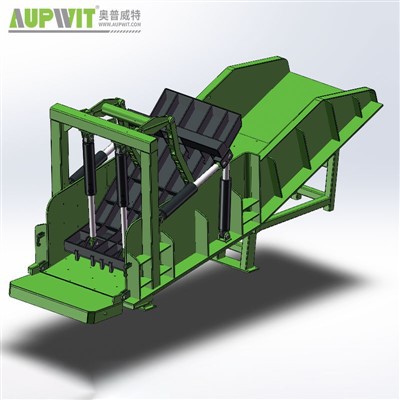
- Automatic feeders, conveyors, or screw feeding systems reduce manual loading time and avoid empty strokes.
- A stable discharge path prevents briquette blockage and shortens cycle time between two presses.
3. Keep Hydraulic & PLC Systems Stable
- Y83 relies on hydraulic pressure and PLC control to complete feeding, compression, and discharge.
- Regular oil filtration, oil level check, seal inspection, and cooling system maintenance help keep cycle time stable.
- Clean sensors and stable PLC signals reduce false stops and improve automatic operation efficiency.
4. Train Operators & Confirm Specifications
- Efficiency also depends on operation quality.
- Operators should be trained to control feeding amount, avoid oversized or mixed materials, and follow the maintenance schedule.
- For export projects, confirm cycle time, briquette size, capacity range, cooling option, and spare parts list to ensure the Y83 matches the real production line.