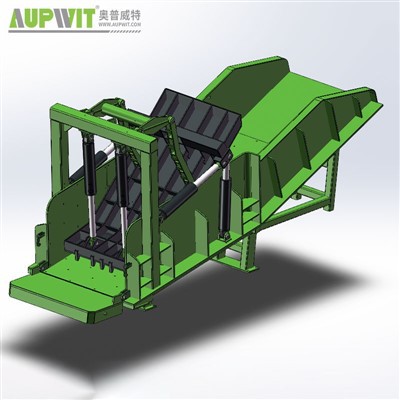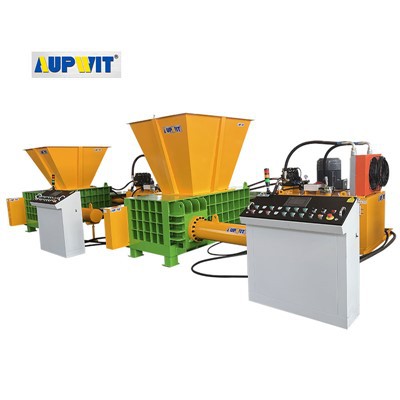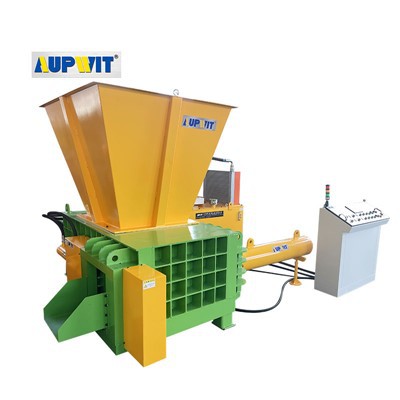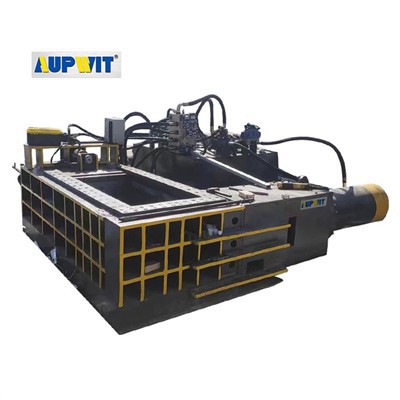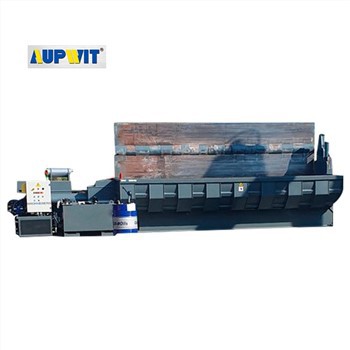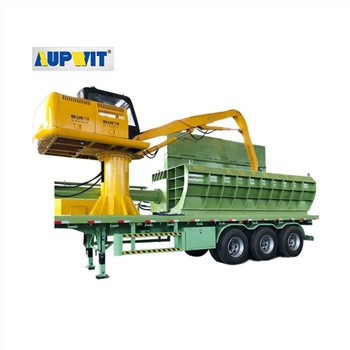

Safety protection measures are essential components of tire balers, designed to safeguard operators and ensure stable equipment operation during the baling process. These measures cover multiple aspects of the equipment's design and operation, addressing potential risks such as mechanical pinch points, unexpected movements, and component failures. Understanding and implementing these safety features is crucial for maintaining a secure working environment in waste tire recycling facilities.
-
Protective Barriers and ShieldsThese physical structures are placed around moving parts, such as compression plates and conveyor systems, to prevent operators from accidentally coming into contact with hazardous components. The barriers are typically made of robust materials that can withstand impact, ensuring they remain effective even in harsh working conditions. Additionally, some models are equipped with transparent observation windows on the barriers, allowing operators to monitor the baling process without exposing themselves to risks.
-
Emergency Stop SystemsThese systems include easily accessible emergency stop buttons installed at multiple locations on the equipment. When activated, they immediately halt all operational functions of the tire baler, enabling operators to respond quickly to unexpected hazards or malfunctions. Advanced models may also integrate automatic stop functions that trigger when abnormal conditions are detected, such as overloads or irregular tire placement, further enhancing operational safety.
-
Safety Interlock DevicesThese devices connect the equipment's doors, covers, and access panels to the control system. If a door or panel is opened during operation, the interlock automatically shuts down the equipment, preventing accidental access to moving parts. Moreover, tire balers are designed with stable structural frames and anti-vibration features to reduce the risk of equipment tipping or shaking during high-pressure compression.
-
Maintenance and Operational GuidanceRegular maintenance reminders and safety labels are also part of the protection measures, guiding operators to follow correct procedures and avoid improper use that may lead to accidents. These visual and systematic cues help establish a culture of safety and preventive maintenance within the facility.