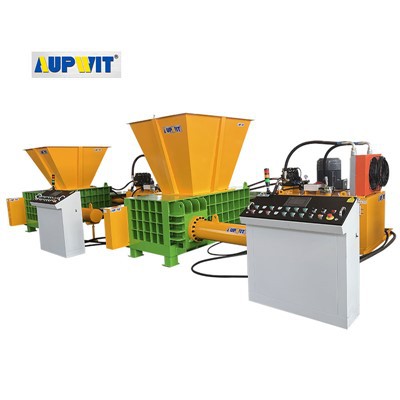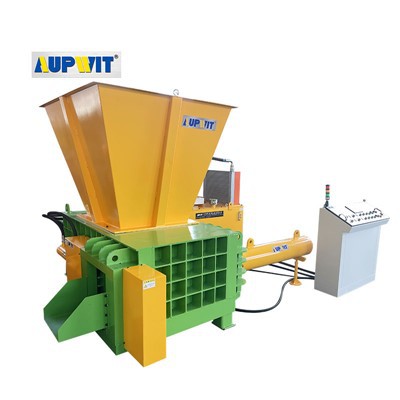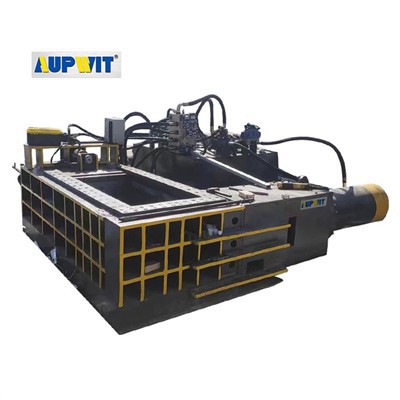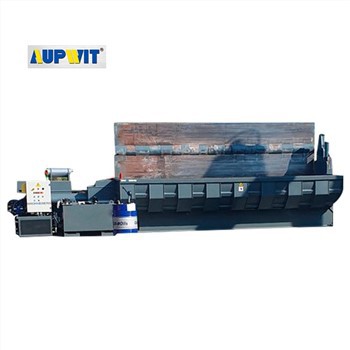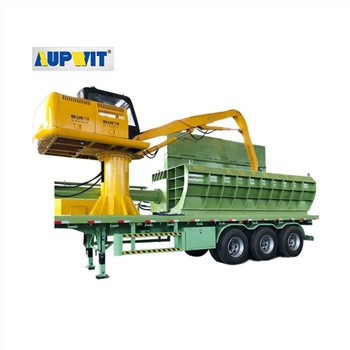

The baling tightness of tire balers is a key performance indicator that directly affects the efficiency of waste tire storage, transportation and subsequent processing. Understanding the factors that influence baling tightness is essential for optimizing the use of tire balers and maximizing the value of waste tire recycling.
Power System Influence
- Hydraulic balers deliver stable, strong pressure for high and consistent tightness
- Mechanical or manual balers have lower, less uniform tightness due to power transmission limitations
- Fully automatic models offer precise control through advanced systems
- Adjustable pressure settings accommodate different tire types and recycling requirements
| System Type | Tightness Level | Consistency |
|---|---|---|
| Hydraulic | High | Excellent |
| Mechanical | Medium | Good |
| Manual | Variable | Fair |
Key Insight: Hydraulic systems provide the most consistent high tightness due to their ability to deliver stable, powerful pressure throughout the compression cycle.
Operational Methods
- Proper tire placement in the baling chamber ensures even compression
- Overloading or irregular placement leads to uneven tightness
- Regular maintenance of compression plates and components maintains consistency
- Debris-free equipment prevents tightness variations
- Correct operational settings optimize tightness for specific tire types
Best Practice: Ensuring tires are placed evenly in the baling chamber and maintaining equipment regularly are crucial for achieving consistent baling tightness.
Adaptability & Applications
- Adjustable pressure settings adapt equipment to different tire materials
- Tighter bales optimize space for long-distance transportation
- Moderately tight bales are sufficient for on-site storage needs
- Manufacturer guidance helps balance tightness with equipment protection
- Customizable settings maximize baling results for specific recycling goals
Transportation Consideration: For long-distance transport, tighter bales significantly reduce volume and transportation costs, making them economically advantageous.
Equipment Protection: Finding the right balance between tightness and equipment strain extends machinery lifespan and reduces maintenance costs.