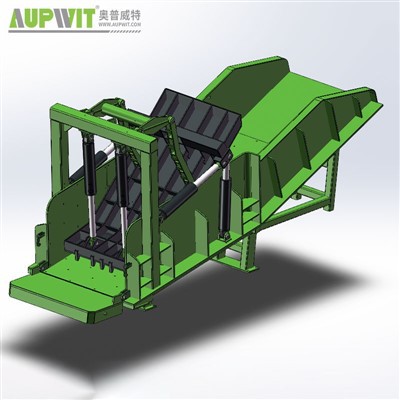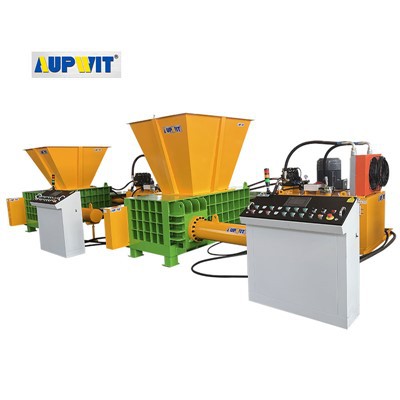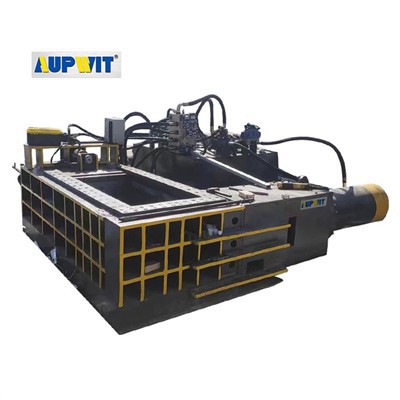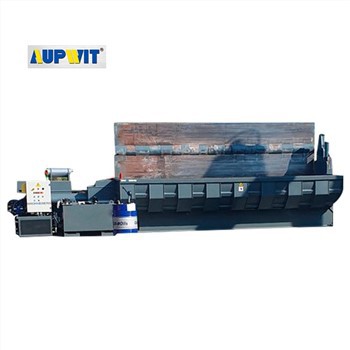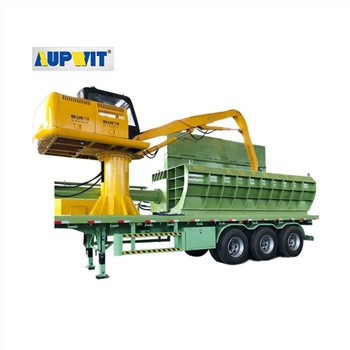

Quick troubleshooting of tire baler faults is crucial for minimizing downtime and maintaining efficient waste tire processing operations. The core principle of troubleshooting is to conduct systematic observation and analysis first, then locate the fault source step by step from simple to complex, avoiding blind disassembly that may cause secondary damage to the equipment.
-
Basic Power and Visual InspectionsStart with basic inspections when the equipment malfunctions. Check whether the power supply or energy source is stable, as unstable power or insufficient energy supply is a common cause of operational failures. Observe if there are obvious abnormalities such as loose connections, oil leaks or abnormal noises in the equipment. For hydraulic tire balers, pay attention to the condition of the hydraulic oil, as contaminated or insufficient hydraulic oil can lead to issues like weak compression or unresponsive movements.
-
Mechanical Component ExaminationIf the baler fails to compress properly or gets stuck, inspect the compression plate, guide rails and other moving parts for debris accumulation or deformation. Worn or damaged seals, bearings or belts can also cause operational issues, so check these components for signs of wear and tear. For control system failures, such as unresponsive buttons or incorrect operation signals, verify the integrity of the control panel and sensor connections, as loose or faulty sensors often trigger false alarms or operational errors.
-
Reference Documentation and Record KeepingRefer to the equipment manual during troubleshooting, as it provides specific fault codes and corresponding solutions for common issues. Keep records of fault phenomena and handling processes, which helps in quickly identifying recurring problems. If the fault cannot be resolved through basic inspections, stop using the equipment immediately and contact professional maintenance personnel to avoid further damage.
Proactive Approach: Regular preventive maintenance can significantly reduce the frequency of faults, laying a foundation for quick troubleshooting when issues arise. Establishing a maintenance schedule and following manufacturer recommendations are key to optimal equipment performance.