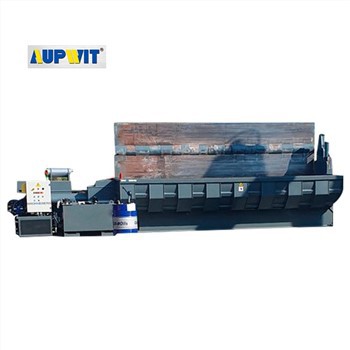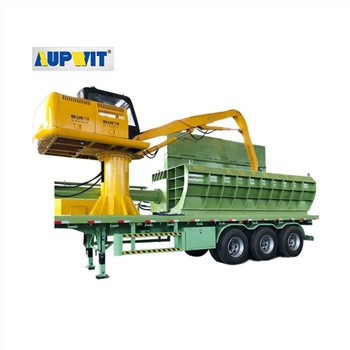

Clean equipment surface and interior after operation to remove residual scrap steel debris, preventing component jamming or wear
Pay special attention to cleaning feed inlet, discharge outlet, and mold cavity using high-pressure air guns or specialized tools
Clean the cooling system to ensure proper heat dissipation and prevent electrical component failure from overheating
Regularly wipe equipment casing to maintain surface cleanliness and reduce dust corrosion of precision components
Regularly inspect condition of pressure head, mold, and drive mechanism for wear, deformation, or loosening
Check fasteners at connection points for signs of loosening and tighten promptly
Observe hydraulic or pneumatic system pipelines for leaks; replace seals or repair pipelines immediately if found
Inspect electrical wiring and interfaces to ensure secure connections and good insulation, preventing short circuits
Regularly add appropriate lubricating oil or grease to all moving parts according to equipment requirements
Lubricate pressure head guide device, bearings, gears, etc. to reduce frictional wear between components
Check lubricating oil level and quality; replace promptly if oil becomes dirty or deteriorates
Ensure lubrication channels are unobstructed to prevent insufficient lubrication and excessive wear
Establish equipment operation records, promptly recording parameters and abnormal conditions
When shutting down for extended periods, perform thorough cleaning and apply rust inhibitors to vulnerable parts
Apply protective oil to molds to prevent oxidation during storage