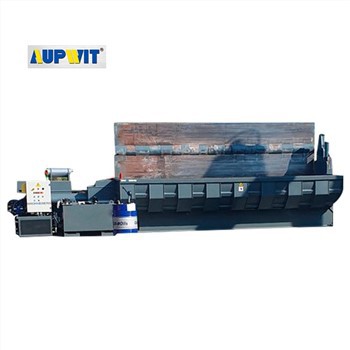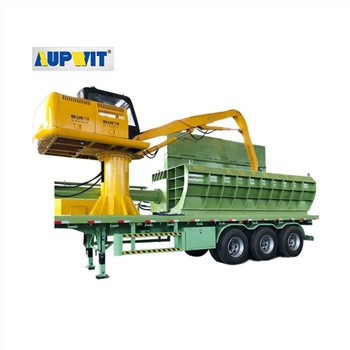

The quality of raw materials directly determines the briquetting outcome. Scrap steel must undergo thorough treatment first:
• Remove impurities like oil, rust, and dirt to prevent material weakness and equipment wear
• Crush and screen scrap steel to ensure uniform particle size
• Maintain appropriate humidity: too little reduces adhesion; too much creates air pockets
Based on pretreated scrap characteristics, accurately adjust equipment parameters:
• Set appropriate pressing pressure for optimal compaction without cracking
• Adjust feeding speed to match pressing efficiency and prevent accumulation
• Adapt mold specifications according to finished briquette size requirements
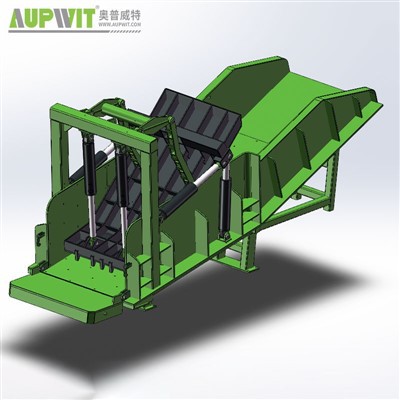
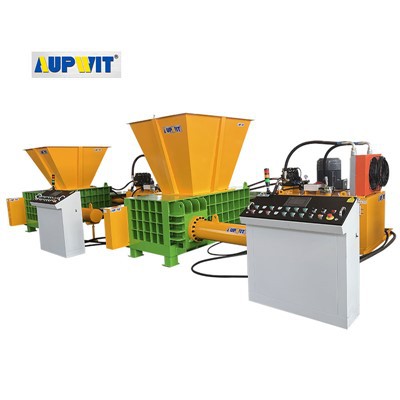
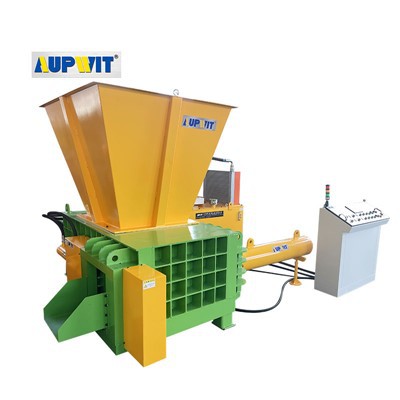
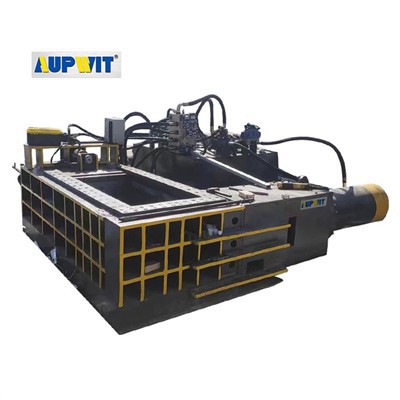
Pretreated scrap enters the equipment cavity via feeding device. The press head applies continuous, uniform pressure:
• Particle gaps compress under pressure while intermolecular forces increase
• Control system monitors pressure changes in real-time, adjusting parameters if needed
• When pressure reaches preset standard and maintains, press head retracts
• Ejection device removes formed briquettes from mold
Formed briquettes undergo strict quality inspection. Key control measures include: