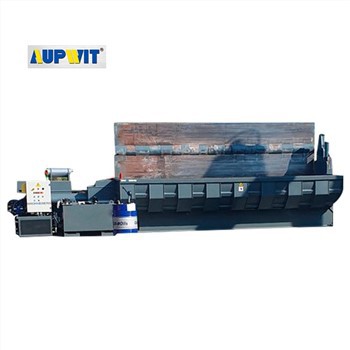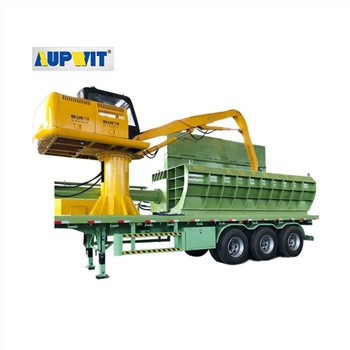

Extending the lifespan of a metal shredder relies on systematic operational practices and proactive maintenance, which minimize unnecessary wear, prevent severe malfunctions, and keep core components in good condition. A longer equipment lifespan not only reduces replacement costs but also ensures consistent productivity for long-term operations.
Standard Feeding Practices
- Avoid feeding oversized, overly hard, or non-metal materials
- Sort materials beforehand to remove impurities
- Control feeding speed to prevent overloading
- Prevent strain on motor and transmission system
- Avoid jamming, abrasion, and accelerated wear
Regular & Thorough Maintenance
- Clean equipment after each use to remove residual scraps
- Eliminate dust and debris from moving parts and corners
- Apply appropriate lubricants at specified intervals
- Reduce friction and prevent corrosion
- Ensure smooth operation and minimize wear
Timely Inspection & Replacement
- Regularly inspect blades for dullness, cracks, or deformation
- Check seals and filters for wear and tear
- Replace worn parts promptly with genuine products
- Inspect hydraulic systems for fluid leaks
- Ensure electrical systems are stable and intact
Environment Optimization & Operator Training
- Place shredder in dry, well-ventilated areas
- Keep surrounding area clean to prevent debris entry
- Train operators to recognize abnormal signs
- Identify unusual noise or overheating immediately
- Stop operation to address issues and prevent damage
Summary
Extending metal shredder lifespan requires standard feeding operations, regular cleaning and lubrication, timely vulnerable part replacement, and proper environment management. Integrating these measures effectively prolongs equipment service life and maintains stable operational efficiency.