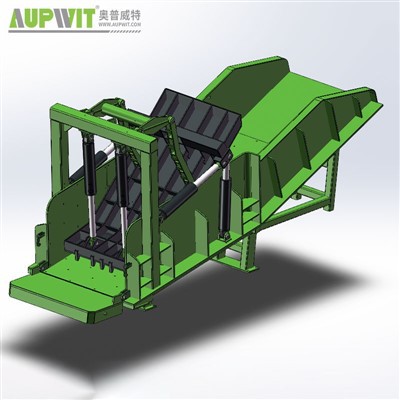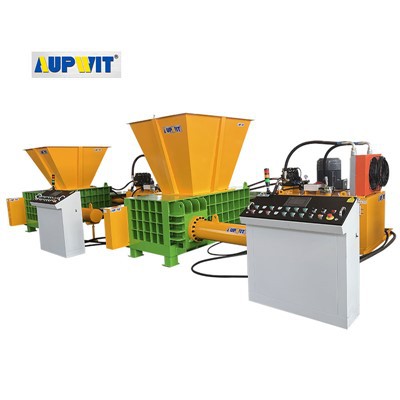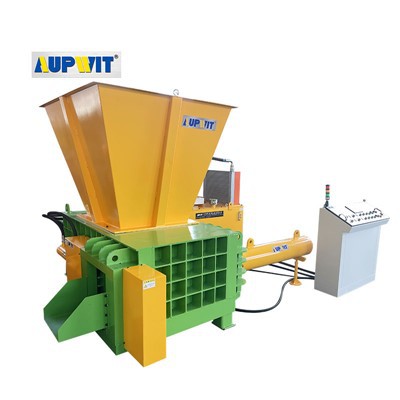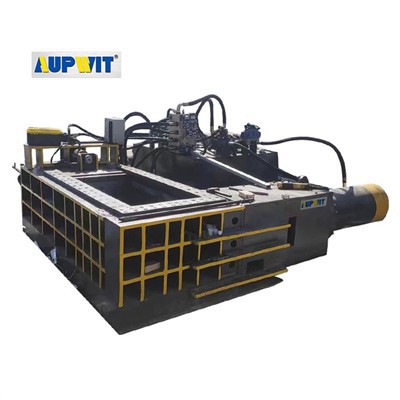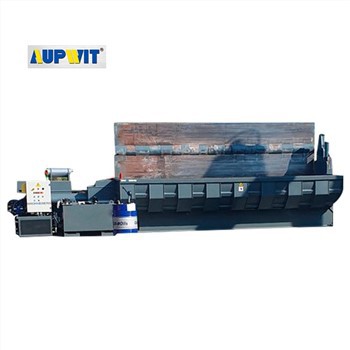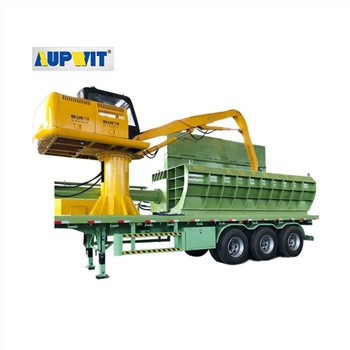

Proper maintenance of a metal shredder is critical to ensuring stable operation, extending service life, and maintaining processing efficiency. Neglecting regular upkeep can lead to frequent breakdowns, reduced performance, and increased repair costs. A systematic maintenance routine covers key components and operational systems, keeping the equipment in optimal condition for long-term use.
Regular Pre-operation & In-operation Inspections
- Check for loose connections and abnormal wear on components
- Inspect blades, shafts, and safety guards for signs of damage
- Monitor noise, vibration, and temperature during operation
- Address unusual sounds or overheating immediately
- Prevent minor problems from escalating into major malfunctions
Thorough Cleaning & Proper Lubrication
- Remove metal scraps, dust, and debris after each production cycle
- Clean blades, chambers, and transmission parts regularly
- Apply suitable lubricants to bearings, gears, and shafts
- Minimize friction and prevent corrosion
- Ensure smooth operation and maintain processing precision
Maintenance & Replacement of Vulnerable Parts
- Regularly inspect blades for dullness, cracks, or degradation
- Check seals and filters for wear and replace when necessary
- Use genuine replacement parts to ensure compatibility
- Check hydraulic systems for adequate fluid levels
- Inspect electrical systems and ensure wiring is intact
Proper Operational Practices
- Avoid feeding oversized or non-metal materials
- Train operators to follow standard procedures
- Recognize early warning signs of equipment issues
- Keep detailed maintenance records and documentation
- Track equipment condition for targeted upkeep
Maintenance Summary
Maintaining a metal shredder requires consistent inspections, regular cleaning and lubrication, timely replacement of vulnerable parts, and proper operational practices. By integrating these measures into a routine, the equipment can operate efficiently and reliably, minimizing downtime and maximizing long-term productivity.