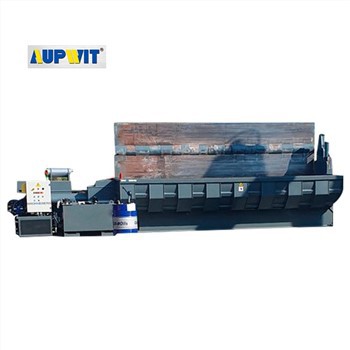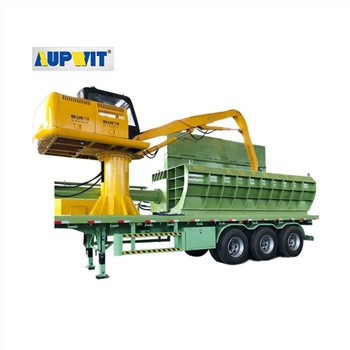

Single shaft shredders can effectively mitigate material wrapping issues through scientific structural design and auxiliary functional configurations, though complete avoidance depends on material characteristics and operational methods.
Manufacturers have integrated targeted designs to address material wrapping, a common challenge with flexible materials that can affect efficiency and cause malfunctions.
-
Spiral Blade Arrangement
Unlike linear layouts, spiral blades create continuous shearing force and directional material guidance during rotation, pulling flexible materials toward fixed blades for rapid shredding instead of allowing them to wind around the shaft.
-
Scraper Devices
Installed near the main shaft to scrape off any materials that start to adhere or wrap, preventing accumulation and maintaining optimal shredding performance.
-
Hydraulic Pushing Systems
Apply stable pressure to feed materials evenly into the shredding chamber, ensuring materials stay in contact with blades and are processed promptly, preventing partial materials from being thrown back by centrifugal force.
-
Intelligent Detection Functions
Advanced models feature systems that identify wrapping tendencies and automatically adjust shaft rotation speed or pushing pressure to prevent issues before they occur.
Proper operation further enhances anti-wrapping effects and ensures equipment longevity.
-
Material Preparation
Avoid excessive feeding of highly flexible materials and pre-process extra-long or bulky flexible items to reduce wrapping risks before shredding begins.
-
Regular Maintenance
Keep blades sharp and clean scraper devices regularly to ensure anti-wrapping mechanisms function optimally throughout equipment lifespan.
-
Feeding Techniques
Implement consistent, controlled feeding methods to maintain proper material flow and prevent uneven distribution that can lead to wrapping issues.