
1. Raw Material Pre‑treatment
- Manual sorting – removes impurities (plastic bottles, iron cans, glass fragments) to ensure briquette quality.
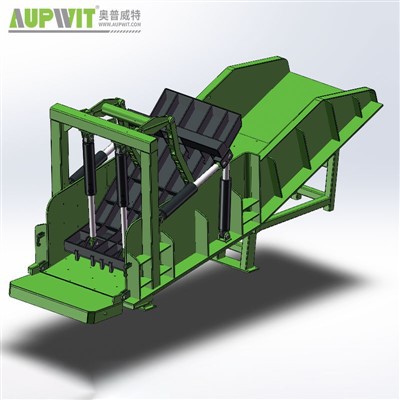
- Shredding – breaks aluminum cans into uniformly sized flakes or granules, reducing void space.
- Vibrating screen – separates fine aluminum chips for consistent raw material specifications.
2. Compression Molding Operation
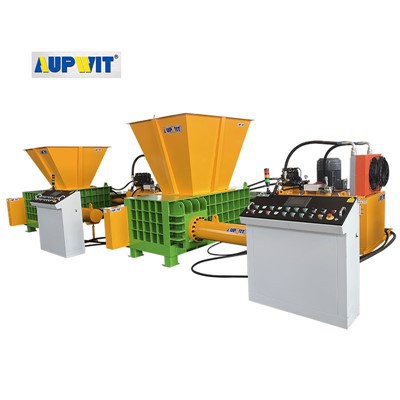
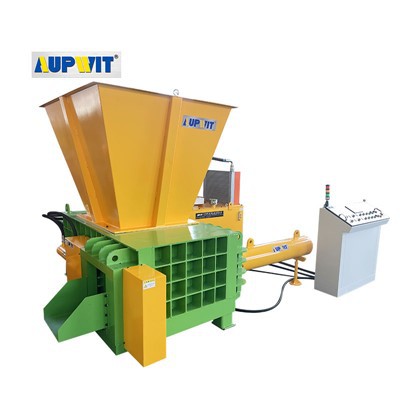
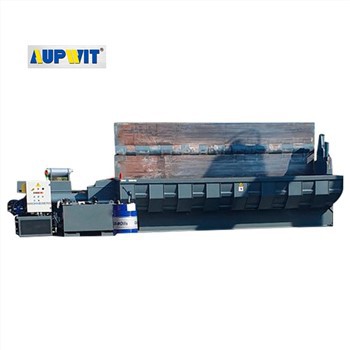
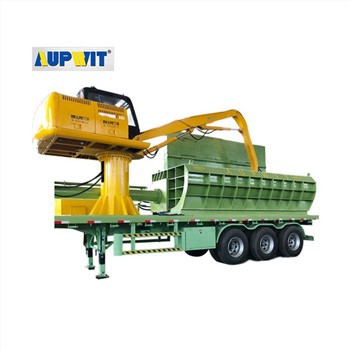
- Even feeding – shredded aluminum is evenly fed into the hydraulic briquetting machine.
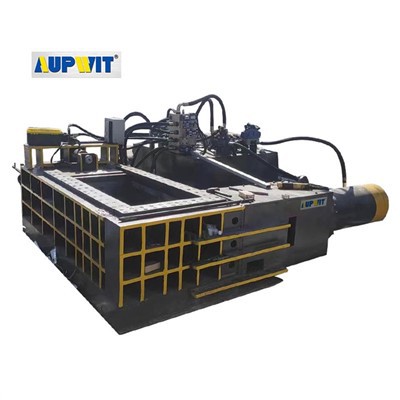
- High‑pressure compaction – hydraulic system applies immense pressure to form structurally stable briquettes.
- Real‑time monitoring – operators adjust for even material distribution to meet density and shape standards.
3. Cooling and Finishing of Finished Products
- Natural cooling – freshly molded briquettes cool in a well‑ventilated area to prevent deformation.
- Visual inspection – defective units (cracks or substandard density) are removed.
- Labeling – qualified briquettes are stacked and labeled with weight and batch number for traceability.
4. Equipment Maintenance
- Residue removal – clear residual aluminum chips from inlets and molding dies to prevent oxidation.
- Hydraulic system inspection – replenish lubricating oil and tighten loose screws.
- Cleaning and protection – power down equipment and perform maintenance to extend service life.