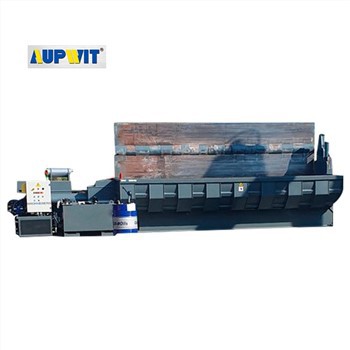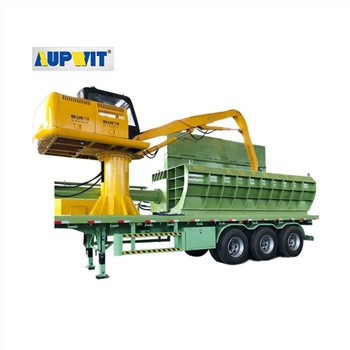

Extending the life of shredder blades is essential for reducing operational costs, improving work efficiency, and ensuring consistent performance of shredding equipment. Shredder blades are core components that bear constant wear and tear during operation, so proper maintenance and scientific use are key to prolonging their service life. By following practical measures, businesses can effectively reduce blade replacement frequency and maximize the value of their equipment.
material preparation
Removing hard impurities before shredding protects blades from chips, scratches and accelerated wear.
- Separate stones, glass & ceramics
- Extract metal fragments (nails, screws)
- Screen out abrasive debris (sand, grit)
- Inspect feed for large foreign objects
inspect & sharpen
Routine checks catch dullness or minor damage before they escalate into serious blade failure.
- Check sharpness & cutting edge geometry
- Look for nicks, cracks or chipping
- Professionally sharpen dull blades
- Replace blades when wear limit is reached
lubricate & clean
Reducing friction and removing residues keeps blades in top condition and prevents corrosion.
- Apply appropriate lubricant to bearings & shafts
- Clean blades after each shift to remove sticky debris
- Avoid buildup of moist or acidic materials
- Use rust‑inhibiting products if needed
correct operation
Stable, within‑capacity use prevents undue stress and extends blade life significantly.
- Never overload the shredder
- Maintain steady, moderate feed rate
- Stay within designed material specifications
- Avoid reversing under heavy load
In summary, extending shredder blade life requires careful material preparation, regular maintenance, proper lubrication and cleaning, and correct operational practices. By implementing these measures, businesses can effectively prolong blade service life, reduce maintenance costs, and ensure the stable and efficient operation of their shredding equipment.