
Easy Maintenance of Metal Briquetting Machines
Simplified structural design and standardized maintenance procedures for manageable upkeep
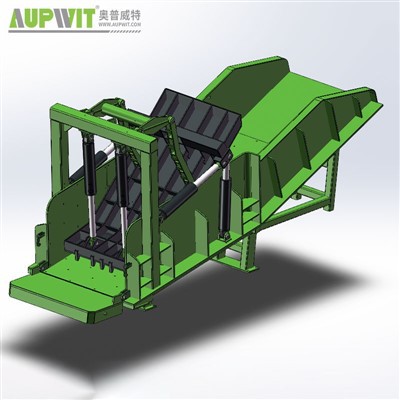
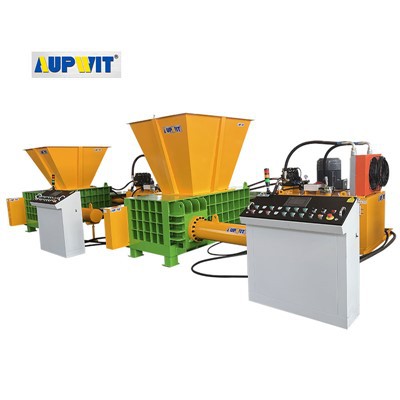
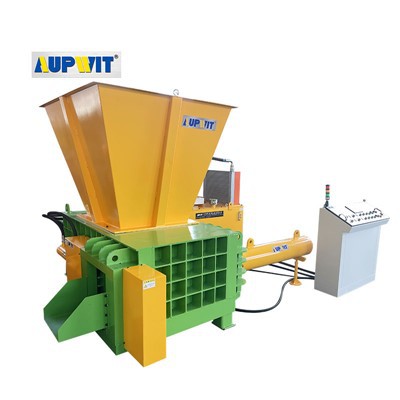
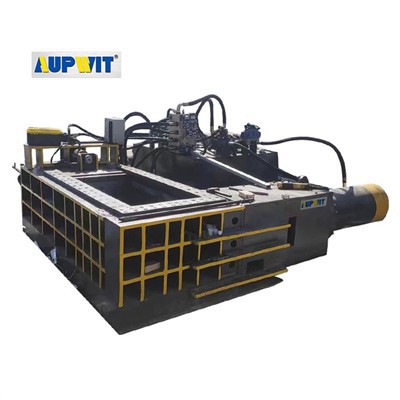
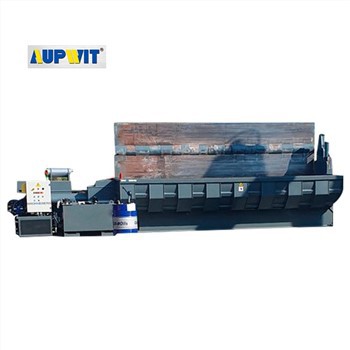
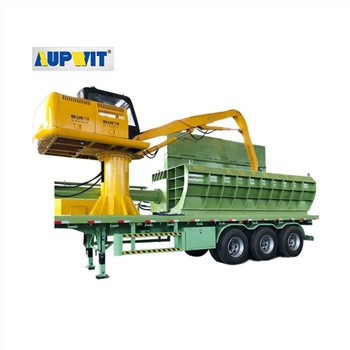
Metal briquetting machines are generally considered easy to maintain, provided that regular and standardized maintenance measures are implemented. Their structural design is usually simplified for practicality, with key components easily accessible, which reduces the difficulty of daily upkeep.
Daily Cleaning
Daily cleaning is a fundamental and simple maintenance task. After each use or at regular intervals, it is necessary to clean the feeding port, briquetting chamber and surrounding areas to remove residual metal scraps, dust and oil stains.
This prevents material accumulation from causing blockages or affecting the precision of moving parts. The cleaning process only requires basic tools such as brushes and rags, and can be completed quickly without complex operations.
Cleaning Tasks
- Clean feeding port after each use
- Remove residual metal scraps from briquetting chamber
- Wipe away dust and oil stains
- Use basic tools like brushes and rags
- Complete quickly without complex operations
Lubrication
Lubrication is another key maintenance item that is relatively easy to perform. Most metal briquetting machines are equipped with clear lubrication points, and manufacturers usually provide clear guidelines on the type of lubricating oil and lubrication frequency.
Regularly adding or replacing lubricating oil can reduce friction between moving parts, prevent excessive wear and extend the service life of the equipment. This task is straightforward, as long as the correct lubricant is used and the operation is carried out in accordance with the guidelines.
Lubrication Guidelines
- Clear lubrication points marked on machine
- Follow manufacturer's lubricant type recommendations
- Adhere to specified lubrication frequency
- Reduce friction between moving parts
- Extend equipment service life
Regular Inspection
Regular inspection of key components also contributes to the ease of maintenance. Operators only need to check for signs of looseness, wear or damage on components such as fasteners, hydraulic hoses, seals and briquetting molds.
Early detection of minor issues allows for timely repair or replacement of parts, avoiding more serious malfunctions that could increase maintenance difficulty and costs. Most of these inspections can be completed through visual observation and simple manual checks.
Inspection Points
- Check fasteners for looseness
- Inspect hydraulic hoses for wear or damage
- Examine seals for integrity
- Check briquetting molds for wear
- Visual observation and simple manual checks
Accessible Design
Metal briquetting machines feature simplified structural design with key components easily accessible, which significantly reduces maintenance difficulty. This practical design approach allows most maintenance tasks to be performed without extensive disassembly.
Even for operators with limited professional maintenance experience, they can complete the necessary upkeep tasks by following the manufacturer's guidelines. The maintenance workload mainly focuses on basic tasks that do not require overly professional technical skills.
Design Advantages
- Simplified structural design
- Key components easily accessible
- Reduced need for extensive disassembly
- Suitable for operators with limited experience
- Basic tasks without professional technical skills
Key Component Inspection Guide
Fasteners
Regularly check all bolts, nuts and other fasteners for tightness. Loose fasteners can lead to component misalignment and increased vibration during operation.
Hydraulic System
Inspect hydraulic hoses and connections for leaks, wear or damage. Check hydraulic fluid levels and quality regularly to ensure optimal system performance.
Briquetting Molds
Examine briquetting molds for signs of wear, cracks or deformation. Worn molds can affect briquette quality and consistency, requiring timely replacement.
Factors Influencing Maintenance Ease
Equipment Quality
High-quality machines with reasonable structural design are more durable and require less frequent maintenance, making upkeep simpler and more predictable.
Usage Habits
Proper usage, such as avoiding overloading and processing materials that meet specifications, can reduce component wear and simplify maintenance requirements.
Operating Environment
Harsh operating environments with excessive dust or humidity may increase the frequency of cleaning and anti-corrosion maintenance, slightly increasing the workload.
Metal briquetting machines are easy to maintain in general. With regular cleaning, standardized lubrication and timely inspection, their performance can be maintained stably. Good usage habits and regular maintenance can further reduce maintenance difficulties and ensure the long-term stable operation of the equipment.