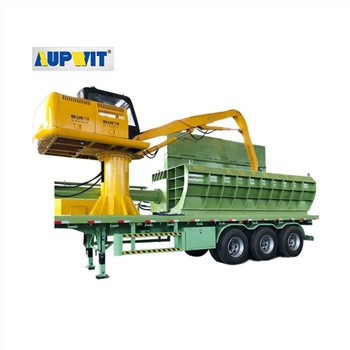

Metal Briquetting Machine Operation Guide
Strict adherence to safety guidelines and standard procedures for operational safety and briquetting quality
Operating a metal briquetting machine requires strict adherence to safety guidelines and standard procedures to ensure operational safety, equipment stability and briquetting quality. Before starting any operation, sufficient preparation is essential to avoid potential hazards and equipment malfunctions.
Preparation Phase
First, prepare the working environment and personal safety gear. Ensure the area around the machine is clean and unobstructed, with no flammable, explosive or other hazardous materials nearby.
Wear appropriate protective equipment, such as safety goggles, gloves and anti-slip shoes, to prevent injuries from metal scraps or mechanical parts. Confirm that the power supply is stable and the emergency stop button is functioning properly.
Preparation Checklist
- Clear and unobstructed work area
- No flammable or explosive materials nearby
- Safety goggles, gloves, and anti-slip shoes
- Stable power supply verification
- Functional emergency stop button
Pre-Start Inspection
Conduct a comprehensive pre-start inspection of the machine. Check if all components, including brackets, fasteners and hydraulic systems, are tightly connected and free of looseness or damage.
Verify that the lubrication points are adequately greased, as insufficient lubrication may cause excessive friction and damage to moving parts. Clear any residual materials or debris from the feeding port and briquetting chamber.
Inspection Checklist
- Check all components for tight connections
- Verify hydraulic system integrity
- Ensure adequate lubrication at all points
- Clear feeding port and briquetting chamber
- Remove foreign objects from materials
Startup & Operation
After the inspection, start the machine following the manufacturer's guidelines. Turn on the power supply and switch the machine to the standby mode. Allow the machine to run idle for a short period to check for abnormal noises, vibrations or leaks in the hydraulic system.
Once the machine operates stably, adjust the briquetting pressure and feeding speed according to the type and characteristics of the metal scraps. Feed the metal scraps into the feeding port evenly and continuously, avoiding overloading.
Operation Guidelines
- Follow manufacturer's startup sequence
- Allow idle run to check for abnormalities
- Adjust pressure based on material type
- Feed materials evenly and continuously
- Avoid overloading the machine
Monitoring & Shutdown
During operation, keep a close eye on the machine's performance and the quality of the briquettes. If abnormal phenomena such as uneven briquettes, excessive noise or oil leakage are detected, stop the machine immediately, turn off the power supply and troubleshoot the problem.
After completing the operation or when the work is interrupted, first stop feeding materials and allow the machine to process the remaining materials in the chamber. Then turn off the machine and cut off the power supply. Finally, clean the feeding port, briquetting chamber and surrounding area.
Monitoring & Shutdown Steps
- Monitor briquette quality continuously
- Stop immediately if abnormalities occur
- Stop feeding before shutdown
- Allow machine to process remaining materials
- Clean equipment after shutdown
Critical Safety Equipment
Eye Protection
Safety goggles or face shields protect against flying metal particles and debris that may be ejected during the briquetting process.
Hand Protection
Heavy-duty gloves protect hands from sharp metal edges and provide grip when handling metal scraps and briquettes.
Foot Protection
Steel-toed, anti-slip shoes protect feet from falling objects and provide stability on potentially slippery surfaces.
Operation Best Practices
Proper Loading
Feed materials evenly and avoid overloading the machine to prevent jamming and ensure consistent briquette quality.
Speed Adjustment
Adjust feeding speed according to material characteristics - finer materials may require slower feeding for optimal compression.
Regular Maintenance
Follow recommended maintenance schedules for lubrication, component inspection, and cleaning to ensure long-term reliability.
Operating a metal briquetting machine requires strict compliance with safety procedures and standard steps, from pre-operation preparation and inspection to in-operation monitoring and post-operation cleaning. Proper operation not only ensures personal and equipment safety but also improves work efficiency and briquetting quality.