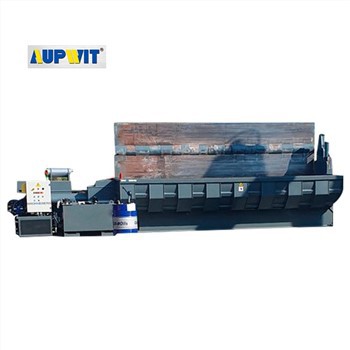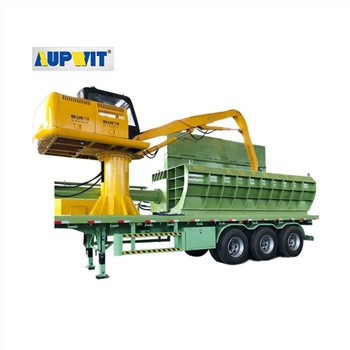

Briquette Press Performance Testing
Testing the performance of a briquette press is a systematic process that ensures the equipment operates at optimal levels, delivers consistent product quality, and meets production requirements. A comprehensive test covers multiple key aspects, from forming effectiveness to operational stability.
Briquette Forming Quality
Start with the briquette forming quality assessment. Examine the physical appearance of the finished briquettes, checking for uniformity in shape and structure.
Assess whether the products hold their form firmly without cracking or crumbling easily, as this reflects the press's compression force and molding precision.
Operational Stability
Next, conduct an operational stability test. Run the press continuously under normal working conditions and observe its performance.
Check for smooth operation of moving parts, listening for any unusual noises or vibrations that may indicate mechanical issues.
Energy Consumption Evaluation
Then, carry out an energy consumption evaluation. Measure the power usage of the briquette press during full operation, comparing the data against standard benchmarks for similar equipment.
Low energy consumption relative to output volume indicates high efficiency, which directly impacts production costs over the long term.
Wear Resistance Check
Finally, perform a wear resistance check on key components after a period of testing. Inspect parts such as rollers and molds for signs of excessive wear, which can affect both product quality and equipment lifespan.
Record and analyze all test results to identify potential improvements, ensuring the briquette press operates reliably and efficiently for practical applications.
Performance Testing Process
Comprehensive Testing Checklist
- Uniformity in briquette shape and structure
- Structural integrity without cracking or crumbling
- Density measurement and consistency assessment
- Smooth operation of all moving parts
- Absence of unusual noises or vibrations
- Steady workflow without unexpected stoppages
- Power consumption measurement during full operation
- Energy efficiency comparison with industry benchmarks
- Visual inspection of rollers for wear patterns
- Mold condition and surface wear assessment
- Component temperature monitoring during operation
- Production output consistency over extended periods
Duration Matters
Testing should be conducted over sufficient time to identify intermittent issues and assess long-term stability.
Data Documentation
Keep detailed records of all test parameters and results for future reference and performance trending.
Material Variations
Test with different raw material types and moisture levels to assess versatility and adaptability.
Systematic Testing for Optimal Performance
A comprehensive performance testing regimen ensures that a briquette press operates reliably, efficiently, and consistently over its entire service life. By methodically evaluating forming quality, operational stability, energy consumption, and wear resistance, operators can identify potential issues early and optimize equipment performance.
Regular performance testing transforms equipment maintenance from reactive troubleshooting to proactive optimization, ultimately reducing downtime, lowering operating costs, and ensuring consistent product quality in briquette production.