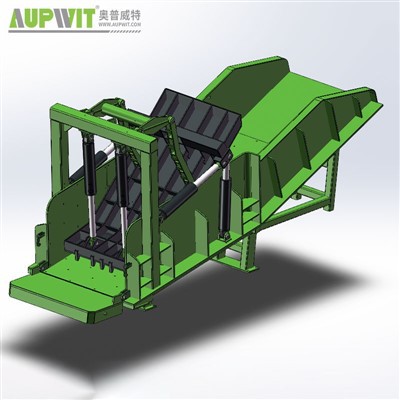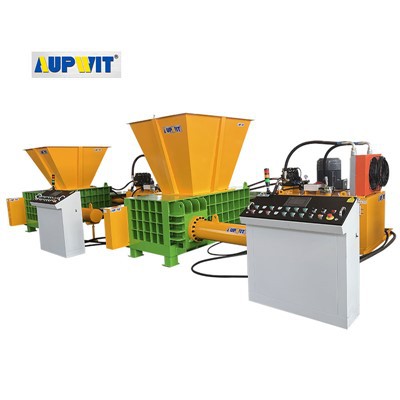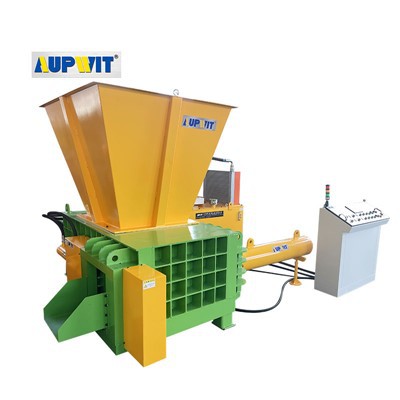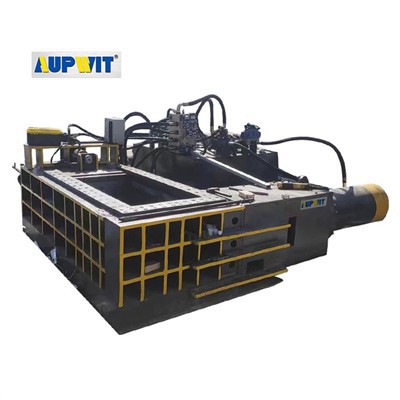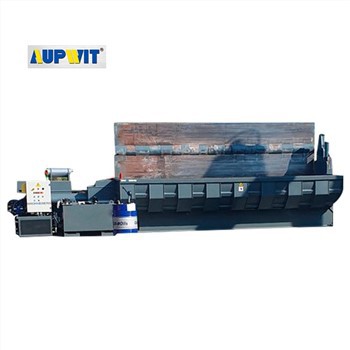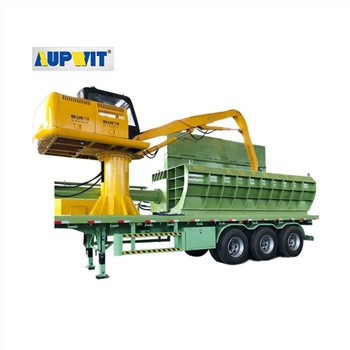

Preventing wear on the briquette press is crucial for ensuring stable equipment operation, extending its service life, and reducing production costs. This requires a multi-pronged approach, addressing aspects such as material selection, operational procedures, and lubrication maintenance.
-
1Selecting Appropriate Wear-Resistant MaterialsHigh-strength wear-resistant alloy materials or surface-hardened parts should be prioritized for easily worn components such as the pressure rollers, molds, and hoppers. This enhances the components' wear and impact resistance, reducing wear at the source and preventing rapid wear due to insufficient material strength.Material Quality Component Protection
-
2Standardizing Operating ProceduresStrictly adhere to the equipment operating procedures. Avoid overloading and exceeding speed limits. Ensure uniform and stable feeding. Remove hard impurities from the material beforehand to prevent them from entering the equipment and causing severe friction and wear. Avoid frequent start-ups and shutdowns to reduce the risk of wear from mechanical impacts.Procedures Load Management
-
3Regular Lubrication and MaintenanceRegularly lubricate rotating parts and joints of the equipment, using appropriate types of lubricating grease to ensure sufficient and even lubrication. Replace deteriorated lubricating grease promptly, remove impurities from the lubrication system, reduce frictional resistance between components, and slow down wear.Lubrication Regular Care
-
4Strengthen Daily Inspection and MaintenanceBefore and after daily operation, conduct a comprehensive inspection of the equipment, promptly cleaning dust and debris from the surface and interior. Repair or replace any parts showing slight wear or loosening to prevent minor wear from escalating into serious damage. Simultaneously, ensure the equipment is protected from moisture and dust to prevent corrosion and wear caused by environmental factors.Inspection Preventive Care