-
Core Support of Equipment Performance
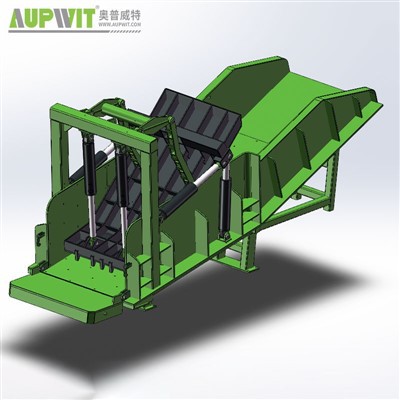
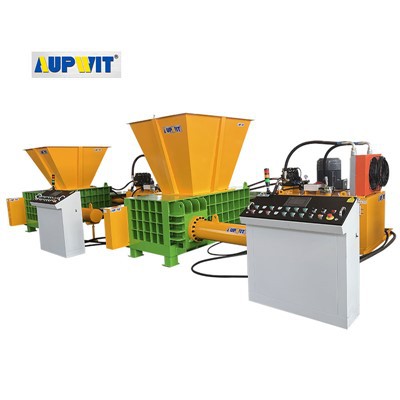
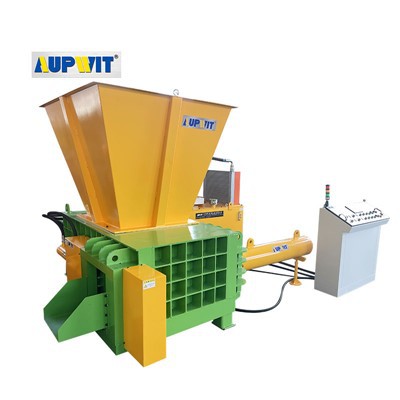
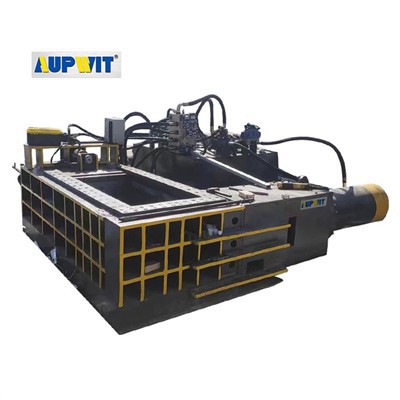
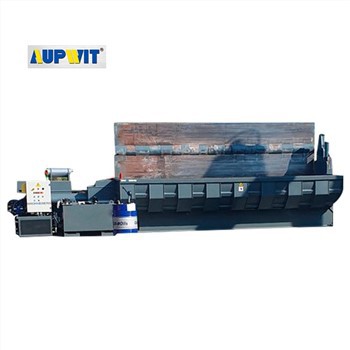
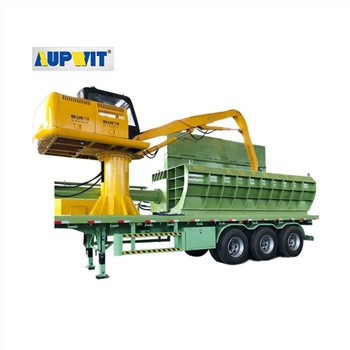
The performance of the equipment itself is the core factor determining packaging efficiency. High-quality equipment is typically equipped with a high-efficiency power system and a precise control system, enabling continuous operation of rapid material compression, forming, and discharge, reducing operational intervals. Different models of equipment are adapted to different material volumes; matching equipment to the scenario can avoid insufficient power or resource waste, further increasing the packaging volume per unit time and laying the foundation for efficient operation.
-
Material Pre-processing Boosts Efficiency
The material pre-processing stage directly affects packaging efficiency. Pre-sorting and cleaning materials to remove impurities and foreign objects can prevent equipment jamming. At the same time, organizing materials according to appropriate specifications can increase the single-feed volume and reduce the number of times the equipment needs to be started, stopped, and adjusted. A uniform material feeding rhythm ensures stable equipment operation, preventing efficiency losses due to material accumulation or uneven supply.
-
Standardized Operation Ensures Stability
Standardized operation by operators is crucial for efficiency. Personnel familiar with the equipment's operating procedures can accurately control the rhythm of each stage, such as feeding, compression, and discharging, avoiding equipment downtime or malfunctions caused by operational errors. Maintaining a focused work state, avoiding unauthorized changes to equipment parameters, and refraining from improper operation ensures the equipment is always operating at optimal efficiency, reducing unnecessary time waste.
-
Routine Maintenance Extends the High-Efficiency Cycle
Regular maintenance is key to maintaining efficient equipment operation. Daily cleaning of equipment debris, inspection of parts, and timely replacement of worn parts prevent equipment downtime due to malfunctions. Regular lubrication and adjustment of critical components such as the hydraulic and transmission systems ensure smooth equipment operation, reduce performance degradation, and allow the equipment to maintain a stable and efficient packaging level over the long term, preventing efficiency decline due to equipment aging.

How Efficient are Iron Baling Machines
2025-12-31
Leave a message