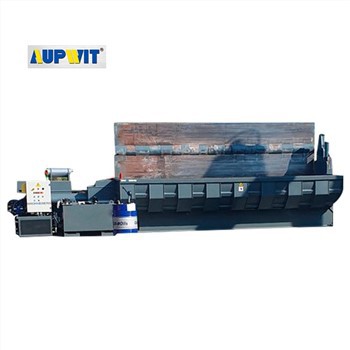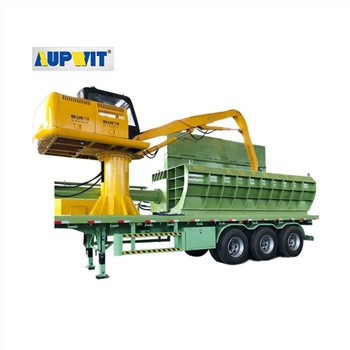

Equipment Configuration
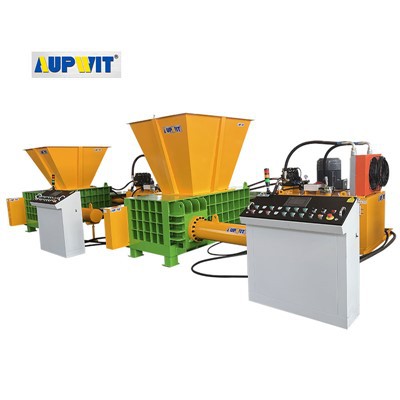
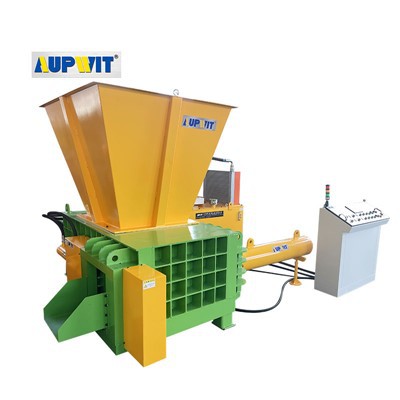
- High-efficiency motors provide better power conversion with lower energy consumption per unit time
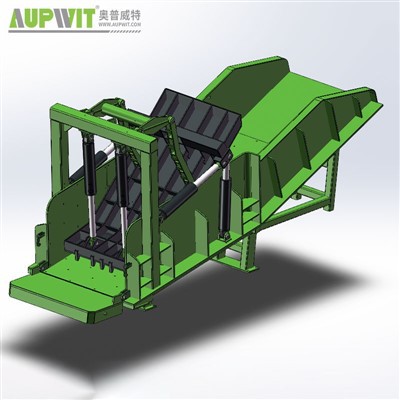
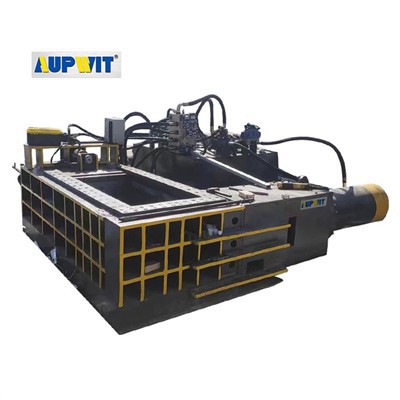
- Lightweight and rigid materials in machine body design reduce power loss during operation
- Optimized transmission structures minimize energy waste during transfer processes
- Energy-saving hydraulic systems with improved oil circuit design enhance overall energy utilization
Operating Scenarios
- Material characteristics significantly affect energy consumption patterns
- Uniform materials with few impurities enable stable power output and consistent energy use
- Uneven thickness or high impurity content causes frequent power adjustments, increasing consumption
- Stable full-load operation achieves highest energy utilization efficiency
- Frequent start-stop cycles or low-load operation increase energy per unit processed
Intelligent Control
- Smart systems automatically adjust power based on actual material conditions
- Prevent energy waste from excessive power output beyond requirements
- Idle energy-saving mode reduces power during non-operational periods
- Real-time monitoring tracks consumption data and reports abnormalities
- Enables operators to adjust methods promptly for optimal energy control
Maintenance Impact
- Regular lubrication of transmission components reduces friction and energy loss
- Sharp cutting edges minimize shearing resistance and power requirements
- Worn cutting tools increase power needed for shearing operations significantly
- Systematic inspections of power systems prevent energy leaks
- Timely repair of malfunctions maintains high-efficiency operation long-term