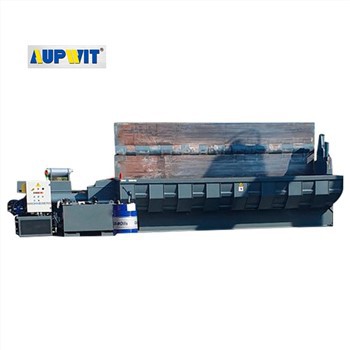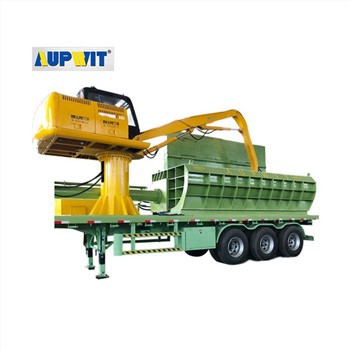

1. Density Depends on Model & Material
- Bale density is not a single fixed value.
- Varies with specific model, compression force, chamber size, bale size, and scrap type.
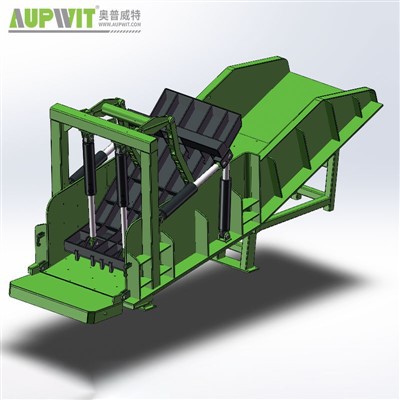
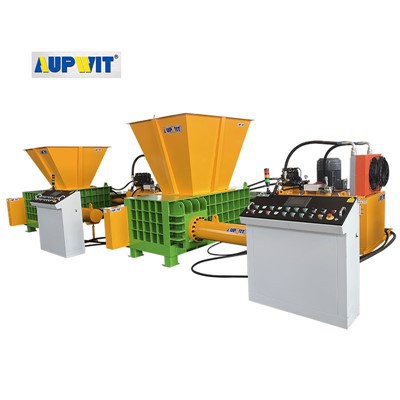
- PTZ type line is usually designed for automatic briquetting or baling.
- Density should be confirmed according to the actual configuration.
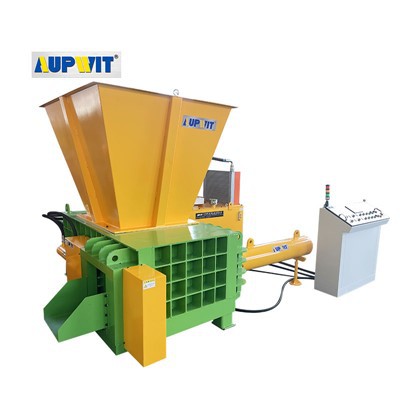
2. Typical Density Range for Y81 Series Balers
- Commonly described as not less than 1,800 kg/m³ for light scrap.
- Can reach around 2 tons/m³ or higher for heavier models and denser materials.
- Some suppliers give a wider range from about 1,800 to 3,000 kg/m³.
- Depends on scrap form and compression setting.
3. Heavier Models Produce Denser Bales
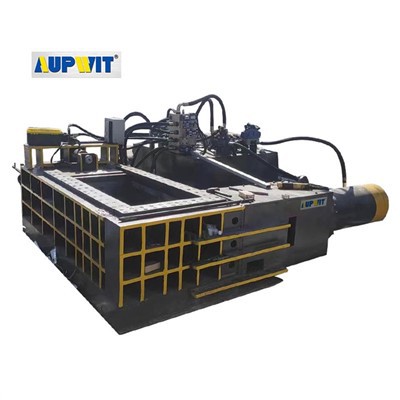
- Models with higher nominal force and larger compression chambers generally achieve higher bale density.
- Light scrap such as thin steel sheets, aluminum chips, and mixed light waste may produce lower density bales.
- Steel plates, rebars, and mixed heavy scrap can be compressed more tightly.
- Should be evaluated together with the customer's actual material list.
4. Confirm Density Data Before Ordering
- For export projects, request exact bale size, bale weight range, compression force, cycle time, and expected density for the scrap type.
- Manufacturer should also provide hydraulic system data, PLC control description, CE‑related documentation, and spare parts list.
- Helps overseas customers match the machine with local transport, furnace charging, and logistics requirements.