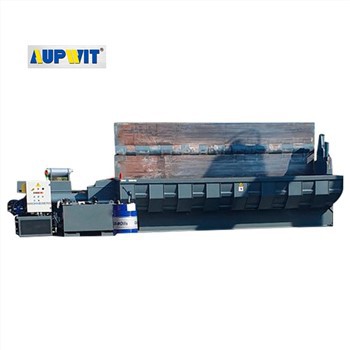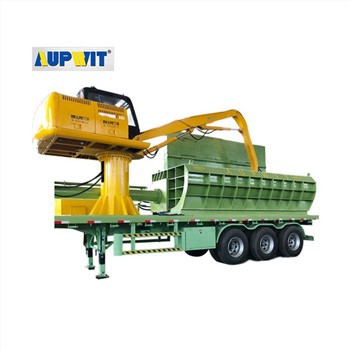

1. Daily Inspection Before & After Operation
- Check hydraulic oil level, oil leakage, abnormal noise, loose bolts, guard condition, and emergency stop function.
- Keep feeding area, compression chamber, and discharge zone clean.
- Prevent metal fragments from interfering with cylinder movement or sensor operation.
- Routine inspection is the foundation of safe daily operation.
2. Hydraulic Oil & Filter Care
- Hydraulic system is the core – oil cleanliness must be maintained.
- Check oil level, color, temperature, and contamination regularly.
- Replace return oil filters, suction strainers, and air breather filters per schedule or when pressure drop and sluggish action appear.
- Clean oil and timely filter replacement protect pumps, valves, and cylinders.
3. Lubrication & Mechanical Component Check
- Lubricate guide rails, cylinder pins, hinge points, compression plates, and discharge mechanisms as required.
- Inspect blades, wear plates, seals, bolts, and structural welds for wear, cracks, or looseness.
- If bale size becomes unstable or cutting resistance increases, recheck blade clearance and compression sequence.
- Early detection of mechanical wear reduces unplanned downtime.
4. Electrical, PLC & Safety System Check
- Regularly inspect PLC control panel, wiring, grounding, sensors, and safety interlocks.
- Emergency stop buttons, warning labels, guard switches, and overload alarms must remain functional.
- For export projects, request maintenance manual, spare parts list, hydraulic schematic, PLC fault code list, and CE‑related documentation.
- A clear maintenance plan helps overseas customers keep the machine running safely and efficiently.