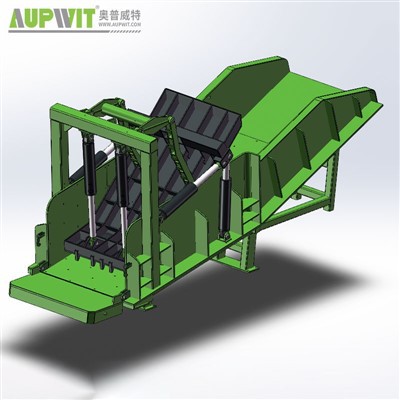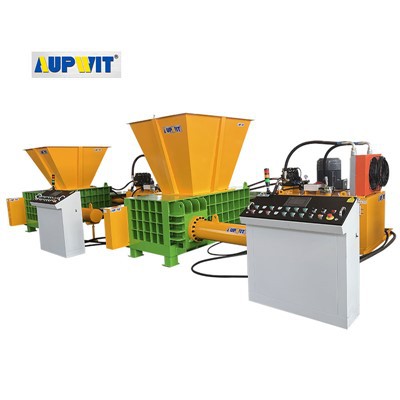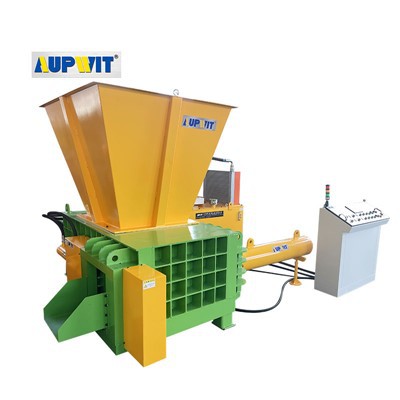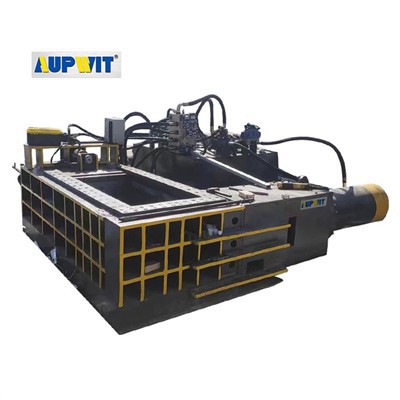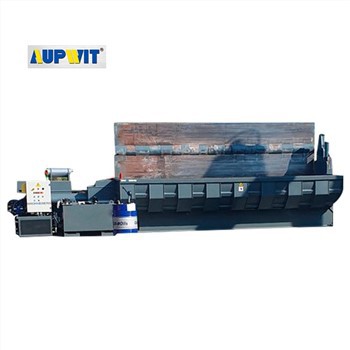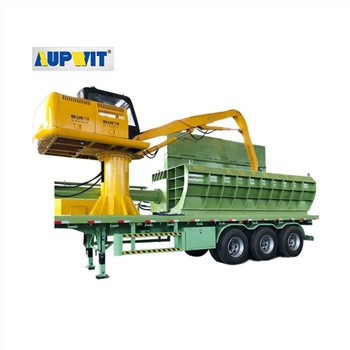

The material selection for waste tire recycling machines directly impacts durability, efficiency, and operational lifespan. These material specifications ensure robust performance in demanding recycling environments.
Core Crushing Component Material
As the key load-bearing parts of the equipment, the core crushing components are engineered for maximum durability and performance under extreme conditions.
Primary Material: Wear-resistant and impact-resistant alloy
- High hardness and toughness for superior durability
- Effectively resists friction and impact forces during tire cutting
- Prevents rapid wear, deformation, or breakage
- Extends service life of crushing components significantly
This specialized alloy ensures the stability and efficiency of crushing operations, maintaining consistent performance even during prolonged, high-intensity recycling processes.
Transmission Structure Material
The transmission structure provides the mechanical backbone for power transfer, requiring materials that can withstand continuous operational stresses.
Primary Material: High-strength steel
- Covers motor housing, reducer housing, and drive shaft components
- Excellent load-bearing capacity and deformation resistance
- Adapts to long-term continuous operation requirements
- Withstands torque and pressure during power transmission
High-strength steel prevents breakage, deformation, and other transmission failures, ensuring smooth and efficient power transmission throughout the equipment's operational life.
Machine Frame Material
The machine frame forms the structural foundation of the recycling equipment, providing stability and support for all operational components.
Primary Material: Thickened steel plates with corrosion-resistant coating
- Welded from high-quality, thickened steel plates
- Corrosion-resistant and anti-aging properties
- Improves overall stability and load-bearing capacity
- Resists vibration and impact during operation
The steel surface, treated with advanced anti-corrosion technology, effectively resists corrosion from harsh working environments such as humidity and dust, extending the overall service life of the equipment.
Auxiliary Component Materials
Auxiliary component materials are rationally selected according to functional requirements, balancing performance, safety, and durability.
Component-Specific Materials:
- Protective Shell: Cold-rolled steel plate - uniform texture, easy processing
- Dust Removal Components: Anti-corrosion plastic - lightweight, dust corrosion resistant
- Shock-Absorbing Components: Natural rubber - excellent elasticity and shock absorption
These material selections ensure safety through protective isolation, environmental compliance through effective dust management, and operational comfort through vibration and noise reduction in various working scenarios.