
1
Feeding Guidance Principle
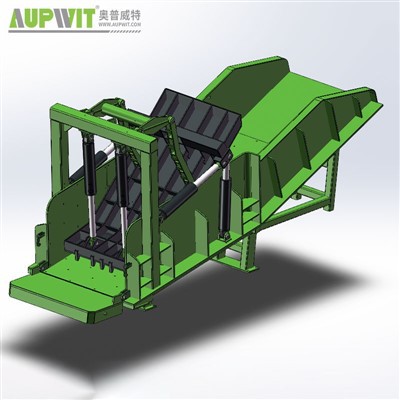
- The Tire Baler's operation begins with the feeding guidance stage, using a specialized feeding structure to guide and limit input tires.
- Prevents tire shifting or jamming during feeding by maintaining proper alignment and position.
- The feeding structure automatically adjusts the contact angle according to the tire's shape.
- Ensures different types of tires can smoothly enter the compression chamber.
- Lays the foundation for subsequent compression processes and reduces the frequency of manual adjustments.
2
Hydraulic Compression Principle
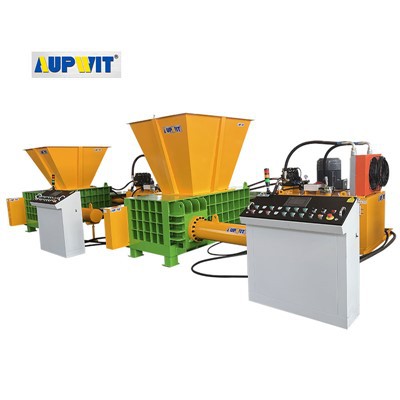
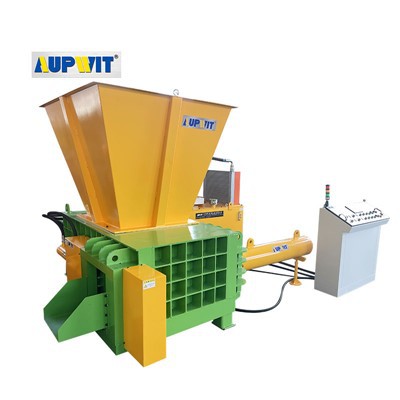
- This is the core working principle of the equipment, relying on a built-in hydraulic system to generate stable pressure.
- Forcefully compresses tires entering the compression chamber through controlled hydraulic force.
- The hydraulic system transmits power to compression plates, with pressure increasing gradually to squeeze internal tire gaps.
- Compresses loose tires until preset compaction is achieved.
- Maintains uniform pressure throughout to avoid uneven compression and poor molding results.
3
Molding and Fixing Principle
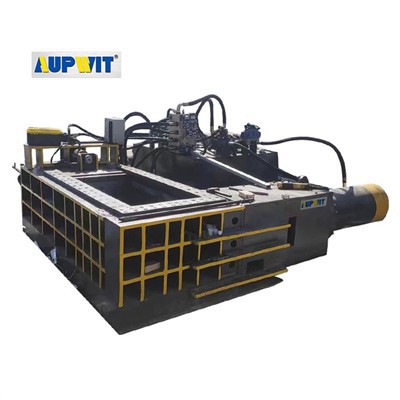
- After tires are compressed to specified compaction, equipment enters the molding and fixing stage.
- Compressed tire blocks are shaped by a forming mechanism and securely locked by fixing components.
- Prevents compressed tires from springing back and loosening after compression is released.
- The forming and fixing process is seamlessly integrated with the compression stage.
- Ensures formed tire blocks are regular in shape and structurally stable, meeting storage and transportation requirements.
4
Discharge and Reset Principle
- After forming and fixing, equipment activates the discharge mechanism to push formed tire blocks to designated position.
- Enables automatic discharge of completed tire bales for collection or further processing.
- After discharge, compression plates, feeding structure, and other components automatically reset to initial working state.
- Prepares equipment for next batch of tires, maintaining operational efficiency.
- Forms a complete "feeding-compression-forming-discharge" work cycle for continuous and stable operation.