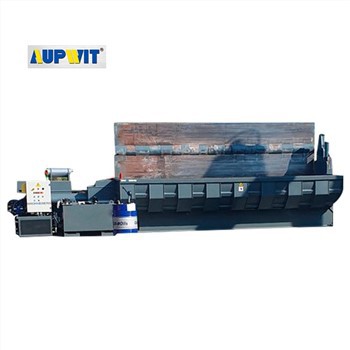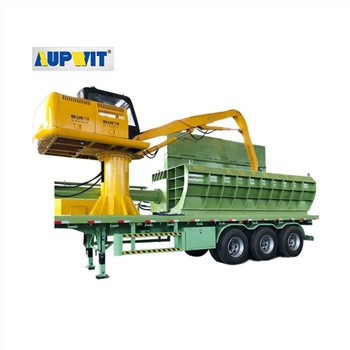

Continuous-Run Shredder Stability
A core performance indicator that directly affects production continuity and operational safety in industrial material processing scenarios
For industrial scenarios relying on non-stop material processing, any instability of the shredder may lead to production interruptions, resulting in economic losses and increased maintenance burdens. Unlike intermittent operation equipment, continuous-run shredders need to maintain consistent performance under long-term working pressure, making stability a key concern for users.
Structural Design & Stability
- A robust frame structure can effectively withstand the vibration and impact generated during long-term operation, preventing structural deformation that may affect working accuracy.
- The rationality of the transmission system is crucial; a well-designed transmission system can ensure smooth power output, reducing energy loss and avoiding sudden failures caused by excessive load.
- The balance of the cutting components plays an important role in maintaining stability, as unbalanced components may cause severe vibration during high-speed operation.
- Proper vibration damping mechanisms and isolation systems contribute significantly to reducing operational stresses on both the machine and its foundation.
Core Component Quality
- High-quality motors with strong overload capacity can adapt to the dynamic load changes during continuous operation, avoiding shutdowns caused by motor overheating or burnout.
- Wear-resistant and durable cutting blades reduce the frequency of sudden failures due to blade damage, ensuring continuous cutting efficiency.
- Reliable control systems can monitor the operating status in real time, triggering timely protective measures when abnormal conditions occur, such as overheating or overload, thus maintaining overall equipment stability.
- Precision bearings and high-grade drive components ensure smooth operation and reduce maintenance requirements during extended running periods.
Operational & Maintenance Practices
- Regular inspection and maintenance of key components, such as lubrication of moving parts and cleaning of debris, can prevent wear and blockages that may lead to instability.
- Standardized operation procedures, including proper material feeding and avoiding mixing incompatible materials, reduce the risk of equipment jamming or overload.
- A suitable working environment, such as a flat installation surface and appropriate temperature and humidity, helps maintain the stable operation of the shredder during long-term use.
- Scheduled downtime for preventive maintenance and thorough inspection helps identify potential issues before they lead to unexpected failures.
Overall Stability Determinants
The stability of a continuous-run shredder machine is not determined by a single factor but by the combination of structural design, component quality, and operational maintenance. A well-designed and properly maintained continuous-run shredder can maintain reliable stability during long-term operation, ensuring uninterrupted production and optimizing overall operational efficiency.
Maintains consistent operation under long-term working pressure without degradation in performance or output quality.
Reduces risks of unexpected failures that could lead to workplace hazards or production line stoppages.
Minimizes unplanned downtime and maintenance expenses while maximizing throughput and equipment lifespan.